

For-Profit vs. Nonprofit Senior Living Communities: What’s the Difference?
When it comes time to choose an assisted living or nursing home community, families often notice a big difference in how each one is run. Some are for-profit, while others are nonprofit (or not-for-profit).
Both types of communities can offer good care but their goals, funding sources, and priorities may differ. Understanding these differences can help you make the best decision for your loved one.
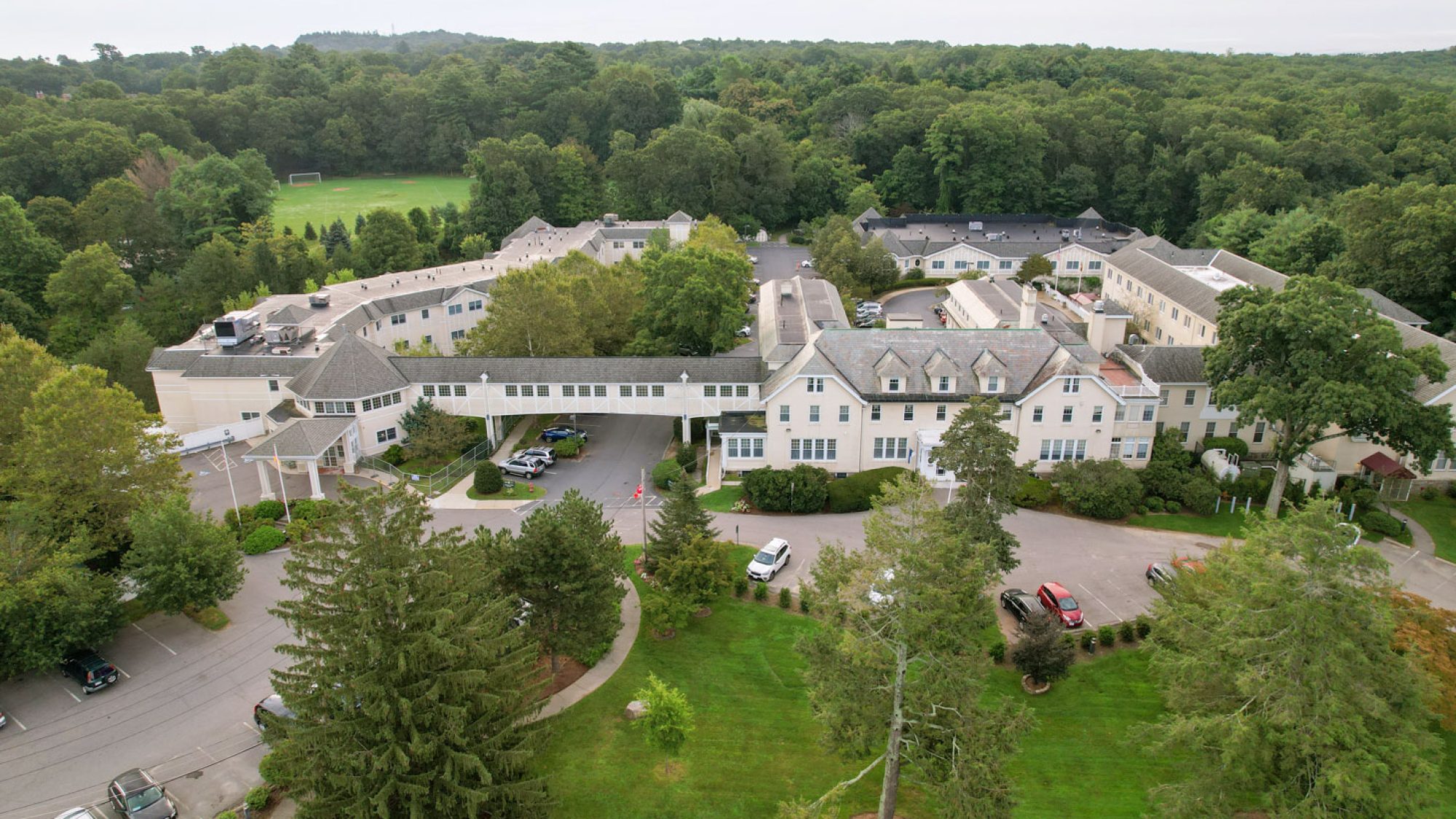
At the German Centre, we’re proud to be part of a not-for-profit network focused on person-centered care and community well-being. Our Edelweiss Village Assisted Living reflects those same values where residents, families, and staff all feel part of something meaningful.
What Does “For-Profit” Mean?
For-profit assisted living and nursing homes are businesses designed to make money. Their owners can be individuals, private investors, or corporations. The revenue that comes in from resident fees, private insurance, and other services must not only cover the cost of care—it also needs to generate a profit for owners or shareholders.
That doesn’t mean for-profit communities don’t provide quality care. Many do. However, their financial structure can influence how they operate.
How For-Profit Communities Use Their Funds
For-profit senior living campuses typically:
- Focus on efficiency and growth, balancing resident care with financial performance.
- Reinvest in marketing, new developments, or upgrades that help attract more residents.
- May have more flexibility in pricing and services but often charge higher monthly rates.
Because they answer to investors, for-profit communities may face pressure to manage costs closely. In some cases, that can mean fewer staff or fewer community-based programs if budgets are tight.
What Does “Not-for-Profit” Mean?
Not-for-profit (NFP) or nonprofit communities are mission-driven organizations. They do not have owners or shareholders expecting profits. Instead, any revenue beyond operating expenses is reinvested directly into resident care, staff development, community improvements, and charitable programs.
Many nonprofit assisted living and nursing homes are affiliated with religious organizations, community foundations, or healthcare systems.
How Not-for-Profit Communities Use Their Funds
Not-for-profit senior living organizations often:
- Reinvest all earnings back into resident services and facility improvements.
- Offer charitable care or financial assistance for residents who outlive their savings.
- Provide community programs that engage local schools, volunteers, and organizations.
- Place strong emphasis on values, mission, and continuity of care rather than profit margins.
This reinvestment model helps ensure that residents, not shareholders, remain the top priority.
Comparing Quality and Mission
While both for-profit and not-for-profit senior living communities can provide excellent care, research and resident feedback often point to key differences.
Resident Satisfaction and Staffing
Studies show that nonprofit nursing homes often have higher staff-to-resident ratios and lower turnover rates. This can lead to better continuity of care and stronger relationships between staff and residents.
For-profit communities, on the other hand, may have more modern amenities or flexible pricing, depending on the company’s business model.
Transparency and Accountability
Because nonprofits are usually overseen by a board of directors and subject to community-based reporting, they tend to have more public transparency around financial decisions and quality outcomes.
For-profit organizations report primarily to their investors or corporate leadership, which can limit visibility into how funds are allocated.
How to Decide Which Is Right for Your Family
When comparing communities, it’s helpful to look beyond the price tag. Ask these questions:
- What is the organization’s mission or guiding philosophy?
- How are profits (or excess revenue) used?
- Does the community reinvest in programs, staff, and resident quality of life?
- Are charitable care options available if finances change?
- How do residents describe their experience—do they feel known and valued?
Touring communities, meeting team members, and speaking with families can give you a true sense of how the organization’s values align with your own.
The Nonprofit Difference at the German Centre
At the German Centre, we believe that senior care should always center around people, not profits. As a nonprofit organization and part of the Legacy Lifecare system, our mission is to enhance quality of life for every resident through compassion, dignity, and community connection.
Our Edelweiss Village Assisted Living offers a supportive, family-like environment where residents can live as independently as possible, with the security of personalized care when they need it.
Because we are a not-for-profit organization, every dollar we earn goes back into improving programs, supporting staff, and enriching resident life, not into corporate earnings.
Choosing a senior living community is one of the most important decisions a family can make. Understanding the difference between for-profit and nonprofit models can help you find a place where your loved one will feel truly at home.